CremaCraft is reader-supported. When you buy through links on our site, we may earn an affiliate commission — at no extra cost to you.
The short verdict: Freshness beats brand, every time. A modest blend roasted two weeks ago will make better espresso than a famous bag roasted four months ago, because espresso — high pressure, tiny dose, 30 seconds of contact — amplifies staleness mercilessly. So this guide is built differently from a simple ranking. Start with whichever pick matches your taste, but buy it whole bean, check the roast date rather than the "best by" date, and let the beans rest about 7 to 14 days off roast before you dial them in. Beans younger than that are still releasing gas and will extract unevenly; beans months old have simply gone quiet.
For most home drinkers, especially anyone still learning, a blend is the right starting point. Blends are built to be forgiving — components chosen to balance each other — so a slightly fast or slow shot still tastes sweet. Single-origin coffees reward you later, when your technique is steady enough to taste what makes one farm's coffee distinct instead of tasting your own inconsistency. And medium roasts are the home-machine sweet spot: dark enough to extract easily and taste chocolatey and low-acid, light enough to avoid the ashy, harsh edge that very dark roasts develop under pressure. Keep those three ideas — fresh, blend first, medium first — and every pick below will treat you well.
Prices note: Bean prices below are US prices checked in October 2026 and are given as ranges where retailers differ. Coffee is a grocery item; expect movement with sales, subscriptions, and retailer.
Quick Comparison
| Beans | Price (checked Oct 2026) | Roast | Style | Best for |
|---|---|---|---|---|
| Lavazza Super Crema, 2.2 lb | $21–$36 depending on retailer | Medium | Arabica + robusta Italian blend | Best value big bag |
| Counter Culture Big Trouble, 12 oz | $16–$21 across Target/grocery | Medium | Forgiving all-rounder blend | Best fresh all-rounder |
| Counter Culture Forty-Six, 12 oz | $16.29 at Target | Dark | Dark, chocolatey, low-acid blend | Dark-roast lovers |
| Stumptown Hair Bender, 12 oz | $15–$20 across grocers | Medium | Multi-origin café blend | Café-classic, brighter cup |
| Your local roaster's house espresso blend | Varies — often $16–$22 for 12 oz | Usually medium | Roasted near you, days not months old | Freshest possible option |
A note on method: this guide draws on roaster and retailer listings and a wide reading of reviews and owner experience through October 2026. Coffee taste is personal in a way grinder specifications are not, so we describe each coffee's established flavour profile in research language — what the roaster builds it to taste like and what drinkers consistently report — rather than claiming our own cupping scores. Your palate, your water, and your machine will move the result; the profiles below are the reliable starting map.
1. Lavazza Super Crema — Best Value Big Bag
Best for: Households making milk drinks every day who want an easy, forgiving, Italian-style espresso at the lowest cost per shot.
The Lavazza Super Crema is the bag that has started more home espresso habits than any other, and the maths explains why: a 2.2 lb bag seen at $21 to $36 depending on retailer works out to far less per double shot than any 12 oz specialty bag here, even at the top of that range. It is a medium-roast blend of arabica from Brazil, India, and Colombia with robusta from Vietnam and Indonesia, and the robusta is doing two deliberate jobs — it produces the famously thick, persistent crema this coffee is named for, and it adds caffeine — at the honest cost of some harshness if you drink it as straight espresso and pull it carelessly.
The flavour profile drinkers consistently report is hazelnut and honey — nutty, sweet, and low in acidity — and in milk it is deeply forgiving, which is precisely why it anchors so many home routines. Two buying cautions. First, a big bag is only a bargain if it stays fresh: once opened, plan to freeze what you will not use within about three weeks, in single-dose or weekly portions (more on freezing below). Second, check the date on the bag you receive and buy from sellers with fast turnover; Italian import bags can sit. Treat Super Crema as the Italian café baseline — buy it, learn on it, and let it teach you what you want next.
Check price — Lavazza Super Crema
2. Counter Culture Big Trouble — Best Fresh All-Rounder
Best for: Most home drinkers, most machines, most mornings — the safest excellent recommendation in this guide.
Counter Culture Big Trouble, at $16 to $21 for 12 oz across Target and grocery listings, is the coffee we would hand a friend who just bought their first machine. It is a medium-roast blend built explicitly to be forgiving: caramel, nut, and chocolate notes, low acidity, and a profile that tastes complete as a straight shot and holds together beautifully in milk. Counter Culture has built its wholesale reputation on coffees that cafés can dial in easily, and Big Trouble is that philosophy in a retail bag — small technique errors shrink instead of shouting.
Its other advantage is availability with turnover. Because it sells in grocery and Target channels as well as from the roaster, fresh stock moves quickly, which makes finding a recent roast date easier than with slower-selling specialty bags. Check the bag's roast date at the shelf if you can, and prefer the freshest one at the back of the row. If you are working through the learning curve in our how to dial in espresso guide, Big Trouble is the bean to learn on: it will tell you the truth about your changes without punishing each one.
Check price — Counter Culture Big Trouble
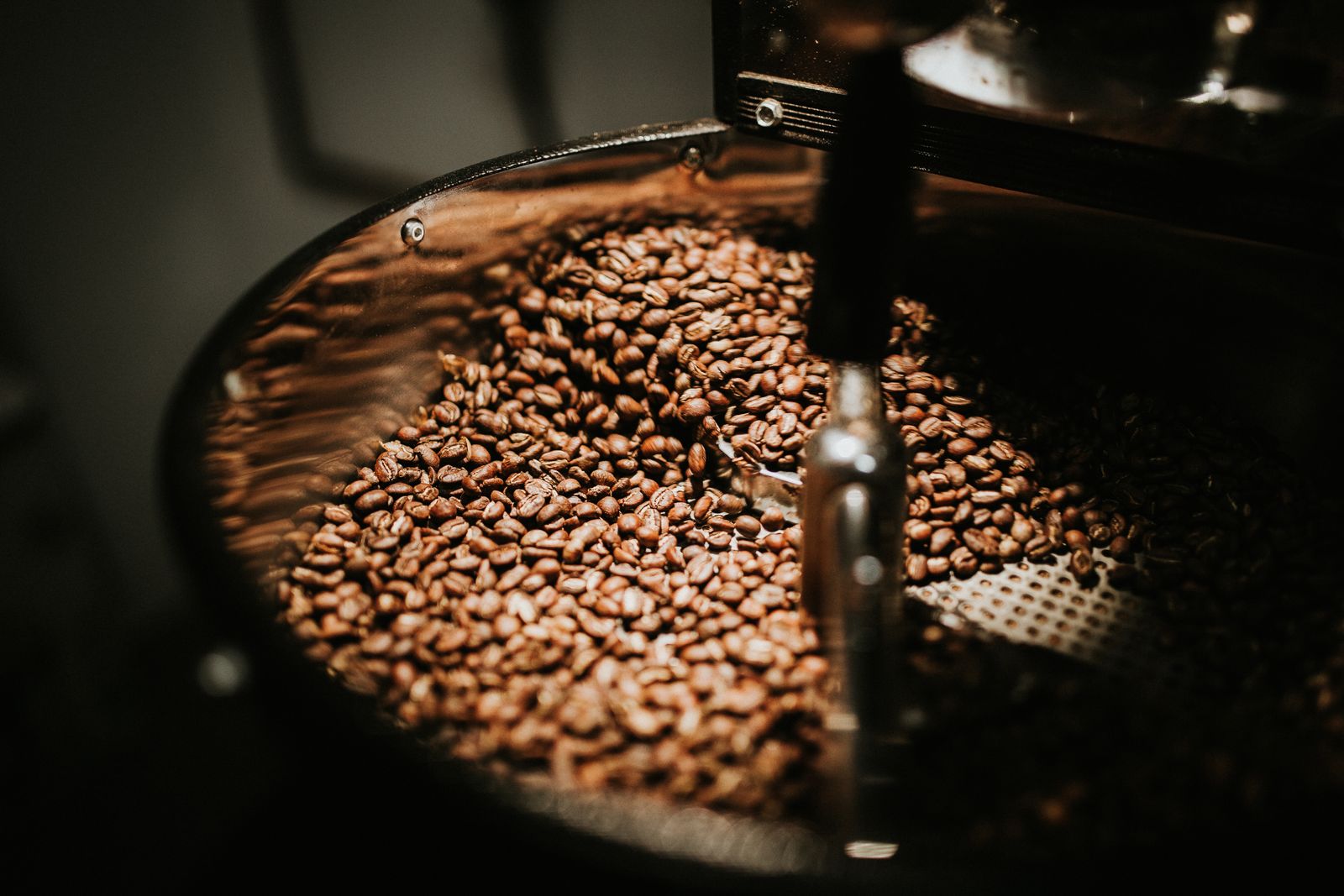
3. Counter Culture Forty-Six — The Dark-Roast Pick
Best for: Drinkers who want café-style intensity — dark, chocolatey, low-acid — especially in milk.
Counter Culture Forty-Six, listed at $16.29 at Target in October 2026, answers the most common complaint about specialty coffee: "too bright, too sour, too much like fruit." Forty-Six is a dark roast built the other way — dark chocolate depth, low acidity, and the kind of heavy, bittersweet intensity people picture when they say "strong coffee." In milk drinks it is superb, cutting through steamed milk without disappearing, and as a straight shot it suits drinkers raised on Italian and diner profiles far better than any light roast will.
The honest trade-offs of dark roasts apply here as everywhere: origin character is largely roasted away, so you taste the roast more than the farm, and dark beans are more porous and stale faster once opened, so buy one bag at a time and store it well. Dark beans also extract easily — they rarely taste sour — which makes Forty-Six a kind pairing with a pressurised-basket machine or a beginner's grinder. If your shots keep landing on the sour side, our guide to why espresso is sour or bitter explains what is happening — but switching to a forgiving dark blend while you learn is a legitimate strategy, not cheating.
Check price — Counter Culture Forty-Six
4. Stumptown Hair Bender — The Café Classic
Best for: Drinkers ready for a touch more complexity — a brighter, sweeter blend that rewards a careful dial-in.
Stumptown Hair Bender, at $15 to $20 for 12 oz across grocers, is one of the defining American café blends — the espresso Stumptown built its Portland cafés on — blending components from Latin America, Indonesia, and Africa. The reported profile layers sweet citrus over dark chocolate and raisin: more dimension, and a touch more brightness, than Big Trouble or Super Crema. That brightness is a feature for drinkers who find classic blends flat, and a small challenge for beginners, because brighter coffees show under-extraction as sourness more readily.
Buy Hair Bender when your routine is steady — you can hold dose, yield, and time consistent shot to shot — and it will show you why people chase blends built from great components. It is an excellent bridge coffee: still a blend, still balanced, but pointing toward the single-origin exploration that comes next. It also performs across brew methods happily, so a household splitting beans between espresso and a morning filter brewer can stock one bag. As with every fresh pick here, the bag with the recent roast date on the shelf beats the famous name with an old one, every time.
Check price — Stumptown Hair Bender
5. Your Local Roaster's House Espresso Blend — The Freshest Pick of All
Best for: Anyone with a decent roaster within driving distance — which, in most US cities, is most people.
Notice there is no Amazon link in this section, and that absence is the recommendation. A local roaster's house espresso blend is the one coffee in this guide that can reach your grinder three days off roast instead of three weeks, and at the quality level of the bags above, those days are the whole game. There is nothing to ship you but a name that changes by city, so instead, here is exactly what to ask for at the counter: a blend built for espresso (not a filter roast you are repurposing), in a medium roast to start, with the roast date printed or written on the bag — and if they will not tell you the roast date, buy somewhere else.
Ask what the blend tastes like in milk and straight, ask what dose and ratio they use in their own café if they have one, and buy 12 oz, not two pounds, until you know you love it. Local bags often cost $16 to $22, comparable to the specialty picks above, and you gain a human who will happily talk you through a bag that is misbehaving. Supporting that roaster also completes the logic of this whole guide: espresso is a fresh food. The best supply chain for a fresh food is a short one. Round out your routine with our espresso drinks explained guide once you have a bag you love, and you will know exactly what to make with it.
How to Choose — Freshness, Resting, and Freezing
Read the roast date, ignore the best-by date. "Best by" dates on coffee can sit a year past roasting and tell you nothing useful. A printed roast date is the seller showing their work. Aim to buy beans you will use between roughly one and six weeks off roast, and treat a bag with no date at all as a bag for the French press, not the portafilter.
Rest beans before dialling in. Fresh-roasted coffee releases carbon dioxide for days, and gas escaping mid-extraction disrupts flow and flavour. Resting beans about 7 to 14 days off roast before serious dialling-in is standard practice for espresso — darker roasts settle toward the shorter end, lighter roasts toward the longer. If a very fresh bag tastes fizzy, sharp, and inconsistent, the fix may be a week of patience rather than a new grind setting.
Freeze correctly or not at all. If a bag will last you more than about three weeks, freezing protects it — done right. Portion the beans into single doses or weekly amounts in airtight bags or jars, freeze once, and grind each portion from frozen or after it returns to room temperature in its sealed container, so condensation never reaches the beans. Repeatedly opening one big frozen bag for a daily scoop does more harm than a cool, dark cupboard would. The rest of your system matters too: beans ground on a poor grinder will waste any of these picks, which is why our best espresso grinder under $500 guide is the natural companion to this one.
Match roast to taste, honestly. If you drink mostly milk drinks, buy the forgiving end — Super Crema, Big Trouble, Forty-Six. If you drink straight shots and find those flat, move toward Hair Bender and then single origins. And treat robusta fairly: in Italian blends it is a feature — crema, body, caffeine — with a harshness cost that good blending keeps in check, not a defect to apologise for.
What About AliExpress?
Plainly: not for beans. AliExpress listings for coffee are dominated by green, unroasted beans and no-name roasted coffee with no verifiable roast date, and shipping from those sellers is slow by design. Freshness is the entire game with espresso beans — this whole guide is, in a sense, an argument about dates — and a roasted bean that spends weeks in international transit arrives having lost the one thing you were paying for. Green beans are a different hobby (home roasting), and a legitimate one, but that is a roasting purchase, not an espresso purchase, and it still comes without the freshness information a good green-coffee seller provides. For beans, buy roasted, buy dated, and buy from someone whose stock turns over fast — ideally, as our fifth pick argues, from someone within driving distance.
FAQ
How much coffee does a home espresso habit actually use?
A double shot typically uses 18 grams of coffee. A 12 oz bag (340g) makes roughly 18 to 19 doubles — about two to three weeks at one drink a day. A 2.2 lb bag (1 kg) makes about 55 doubles. Buy the size you will finish within about three weeks of opening, and freeze the surplus of a big bag in portions.
Should espresso beans be oily?
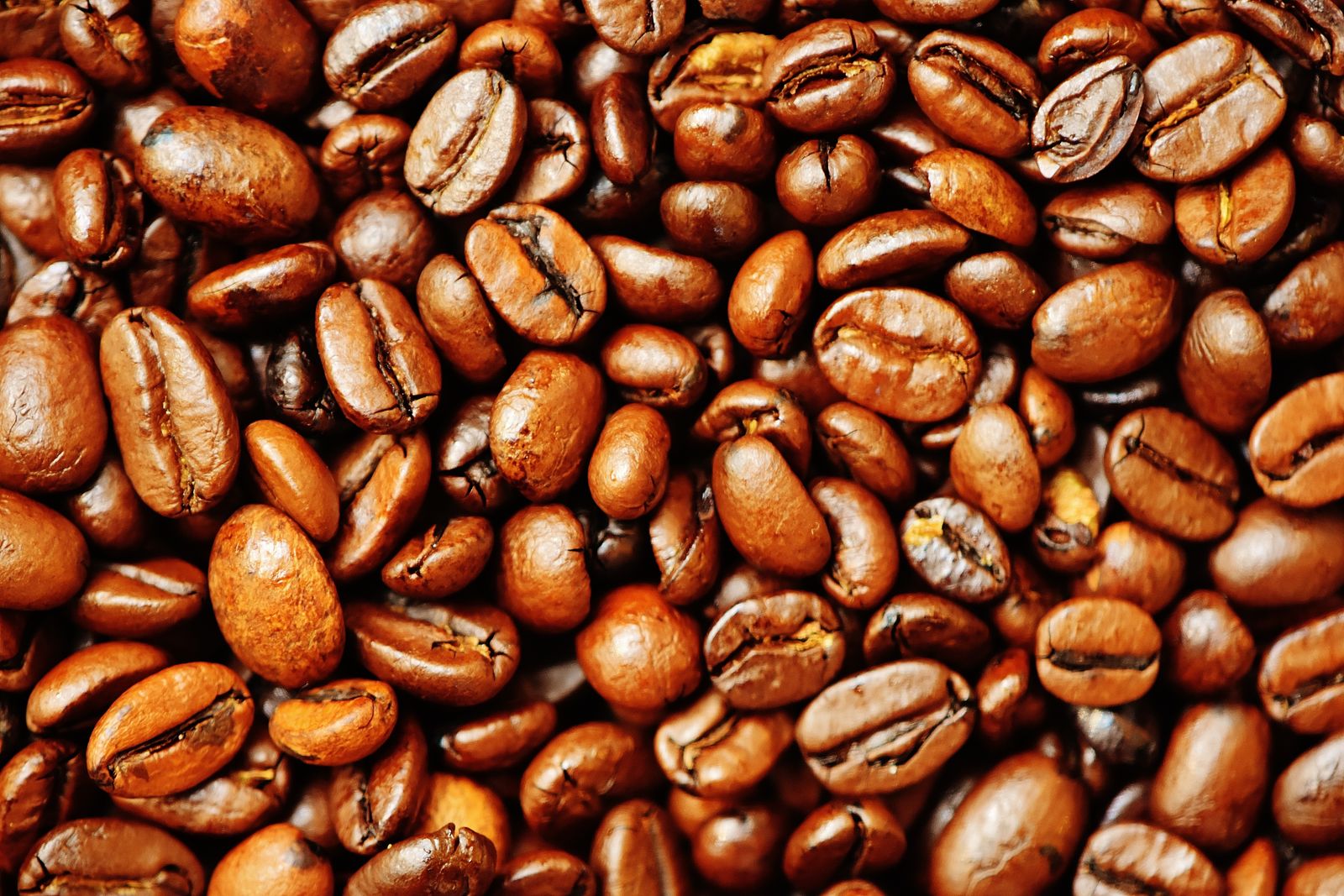
Usually not very. A light sheen appears on darker roasts as oils migrate to the surface, and a little is normal for a pick like Forty-Six. Beans that look wet and shiny are typically roasted very dark or are ageing, and heavy surface oil also gums up grinder burrs over time. Medium-roast espresso blends should look mostly dry.
Can I use these beans in a pressurised basket machine?
Yes — blends like these are exactly what pressurised baskets handle best, and medium and dark roasts are the most forgiving pairing. Grind fresh if you can, dose carefully, and your entry-level machine will get much closer to café results than pre-ground coffee ever lets it.
What is the difference between an espresso roast and regular coffee?
Less than marketing suggests. "Espresso blend" means the roaster balanced the components to taste good under pressure and in small, concentrated servings — it is about blend design and development rather than a separate species of coffee. Any fresh, good coffee can be pulled as espresso; blends designed for it are simply easier to make taste good.
When should I move on to single-origin espresso?
When you can pull the same shot three times in a row on a blend and make it taste the same. At that point your technique is a steady platform, and a single-origin bag becomes a tasting experience instead of a troubleshooting session. Start with a washed, medium-roast single origin and expect to re-dial your grinder for it — that adjustment is the hobby working as intended.
Super Crema is stocked by most espresso retailers — Seattle Coffee Gear's listing is a handy spec reference for the blend's origins and roast level, whichever shop you buy from.
Comments
Post a Comment
Play nice — spam and promo links are deleted.